Showing posts with label Cancer. Show all posts

Tuesday, March 5, 2013

Bladder Cancer Prognosis

Bladder cancer prognosis is a medical opinion about the possibilities and outcomes of bladder cancer. usually people affected by bladder cancer want to know their prognosis of bladder cancer. 

They can ask for help clinicians to determine the prognosis of bladder cancer or seek their bladder cancer statistics alone. There are many factors that can affect a person's prognosis of bladder cancer. several factors that influence the bladder cancer prognosis are as follows: 

- The type and location of bladder cancer 
- Stage of disease (the extent to which the cancer has spread, or spread) 
- Age, general health, and response to treatment 
- Its grade (how abnormal the cancer cells look and how quickly the cancer is likely to grow and spread) 

It is important to remember that the prognosis is only a prediction, and the doctor can not be absolutely sure about the outcome for a particular patient.

Monday, March 4, 2013

Bladder Cancer

This is information about bladder cancer. Bladder cancer is the same as other cancers when cells grow out of control for a variety of reasons. Bladder cancer occurs when cells grow abnormally in the human bladder. The bladder is one organ that serves to hold and dispense urine. bladder is located in the lower abdomen. Bladder cancer usually starts in the tissue that lines the bladder organ or can be called transitional cells. 

bladder cancer

Symptoms of Bladder Cancer 
Bladder cancer has symptoms similar to other diseases. immediately consult your doctor if there are symptoms such as the following: 
- stomach ache 
- urine mixed with blood 
- Pain during urination 
- urine out without any power to control it 
- Weight problems up or down drastically 

In 2013 there were an estimated 72,570 new cases of bladder cancer and an estimated 15,210 deaths will occur due to bladder cancer.

Friday, February 22, 2013

What is Lymphoma?

Lymphoma is a cancer of white blood cells called B-lymphocytes, or B-cells. These cells multiply rapidly and form tumors. Lymphoma is closely related to lymphoid leukemias, which also originate from lymphocytes but typically involve only circulating blood and the bone marrow (where blood cells are produced in a process called haematopoesis) and usually do not form tumors statis.Pasien with weakened immune systems, such as from HIV infection or from certain drugs or medications, have a higher risk of developing lymphoma. 

Lymphoma tumor can occur in bone, stomach, liver, brain or other body parts. The first sign of lymphoma is swollen lymph nodes, fever, night sweats, and weight loss of more than 10 percent. This symptom occurs with some other illnesses associated with AIDS. 

lymphoma is caused by long-term stimulation of the immune system. When B-cells to multiply more rapidly over the years, more and more mutations occur in these cells. Some of these mutations can lead to cancer. Approximately 4 percent of people with symptoms of HIV disease had lymphoma each year.

What Is Cancer?

Cancer is a division of defective cells that are not controlled so that a tumor can destroy and damage healthy cells. cancer is one disease that is feared by many people. 

What is cancer

How does cancer occur? 
The human body is composed of trillions of cells. these cells divide, grow and die on a regular basis. In each cell of thousands of genes (also known as genetic material) that acts as a command center for the cell. Genes give instructions as to what role to play in the body's cells. 

Cell will divide to form new cells to replace cells that are old or damaged. Process cells divide and pass on genes usually controlled well, ensuring that the right type and number of cells that are present for the different parts of the body to function properly. The body and the cells are usually able to recognize when something has changed in the cell and will work to correct or destroy the abnormal cells. When the body's cells at specific sites begin to grow out of control, they could turn into cancer.

Wednesday, February 20, 2013

What is Male Breast Cancer

What is Male Breast Cancer?
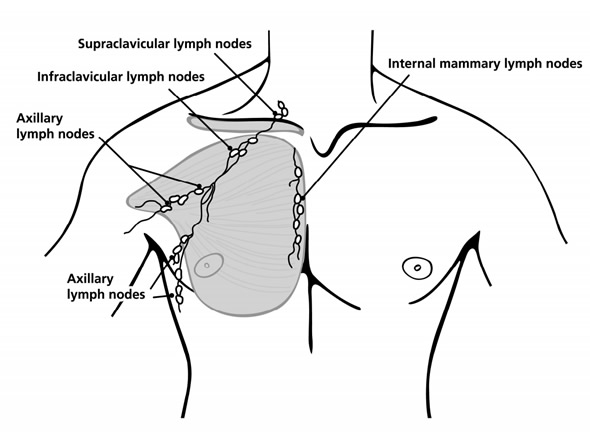
Male breast cancer is a similar pathology as female breast cancer. The symptoms, diagnosis and treatment for male breast cancer are all similar to female breast cancer. Many people believe that breast cancer only affects women only, but men can also get breast cancer. According to the study, male breast cancer is much rarer than in women, there is only one man with breast cancer per 100,000 men affected.

Male Breast Cancer

The average breast cancer patient is a male aged man 70tahun. Men who consume alcohol or obese have an increased risk of breast cancer is greater. The risk is high among patients who have a family member (male or female) with breast cancer.

Also, men with a rare genetic condition called Klinefelter's syndrome are 20 to 50 times more likely to get breast cancer than normal men. Men with Klinefelter's syndrome have an extra, female, X chromosome, making them XXY, and often have slightly more breast tissue than normal.

The highest risk factors include radiation to the chest when young and exposure to hormonal therapy for other disease conditions. Men with high blood levels of female hormone estrogen are at risk of breast cancer.

Treatment of male breast cancer
Male breast cancer is treated primarily with surgery to remove a section of the breast. Thereafter chemotherapy and/or radiation therapy may be used to kill the residual cancer cells.

Chemotherapy and radiation therapy may be used alone if the cancer is advanced and spread to other organs as well. Hormonal therapy with tamoxifen that helps to block the effects of hormones on breast tissue that are known to stimulate the growth of cancerous cells may be used to prevent the cancer recurrence.

Source :
http://en.wikipedia.org/wiki/Male_breast_cancer
http://www.news-medical.net/health/What-is-Male-Breast-Cancer.aspx
http://www.patient.co.uk/doctor/Male-Breast-Cancer.htm